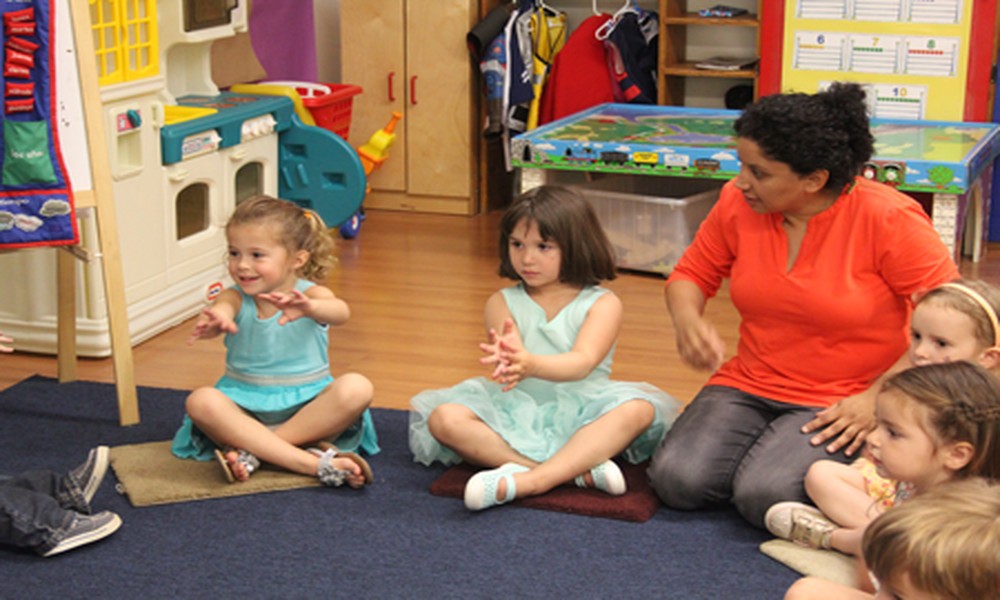

In the exciting world of teaching Spanish as a foreign language (ELE), educators play a key role in guiding students, helping them develop language skills, and fostering an appreciation for culture. Teaching Spanish for Private Schools comes with unique opportunities and challenges, as students often have different backgrounds, learning styles, and goals. Over the years, since 2002, we have gained extensive experience in ELE education, and we want to share practical tips that make a real difference in the classroom. These strategies may seem simple, but they are essential for creating a learning environment that is effective, engaging, and inspiring-for both students and teachers.
Get to Know Your Students Individually
Every student is unique, with their own motivations, interests, and level of Spanish. Understanding these differences is crucial for effective teaching. Begin your course with introductory activities to learn about each student’s goals, previous experience with Spanish, and preferred learning styles. Questionnaires, one-on-one conversations, or even short icebreaker activities can give you valuable insights. This knowledge allows you to adapt your lessons to fit each student’s needs, making learning more personal and effective. When students feel understood, they are more motivated to participate and improve.
Integrate Culture into Teaching
Learning Spanish is more than memorizing vocabulary and grammar rules-it’s also about understanding culture. Incorporating cultural elements like music, films, food, traditions, and literature into your lessons can make classes much more interesting and relatable. When teaching Spanish for Private Schools, you have the chance to connect lessons to students’ personal interests. For example, if your students enjoy sports, you can explore Spanish-speaking countries’ favorite games or famous athletes. This cultural approach makes learning fun while helping students appreciate the rich diversity of Spanish-speaking communities.
Foster Authentic Communication
Language is meant to be used, so giving students opportunities to communicate in real situations is key. Encourage activities like role-plays, group discussions, debates, and collaborative projects. These exercises allow students to practice speaking, listening, reading, and writing in a practical way. Creating an environment where students feel safe to express themselves encourages participation and builds confidence. Remember, mistakes are part of learning-celebrate them as opportunities for improvement.
Use Technology Effectively
Technology can make learning Spanish more engaging and interactive. Use apps, online platforms, videos, podcasts, and games to reinforce lessons and provide extra practice. For example, listening to Spanish songs or watching short clips in Spanish can improve comprehension while keeping students entertained. Many online tools also offer immediate feedback, helping students track their progress. Staying updated on educational technology ensures that your classes remain modern, interactive, and effective.
Set Clear Expectations and Provide Feedback
From the very beginning, let your students know what to expect from each class. Clear objectives help students stay focused and motivated. Providing constructive feedback is equally important. Highlight what students are doing well and give specific suggestions for improvement. Encourage students to reflect on their own progress and set personal goals. This approach not only promotes growth but also helps students feel supported and confident in their learning journey.
Create an Inclusive and Respectful Environment
A positive classroom environment is essential for learning. Make sure every student feels valued and respected. Emphasize the diversity of Spanish-speaking cultures and include materials that reflect this variety. Encourage collaboration, discussion, and respect for different opinions. When students feel safe and appreciated, they are more likely to participate actively, ask questions, and learn from one another.
Promote Student Autonomy
Empower your students to take charge of their learning. Provide resources and strategies for practicing Spanish outside of class, such as reading articles, watching Spanish-language videos, or keeping a daily journal in Spanish. Assign projects that align with each student’s interests and goals. By encouraging self-directed learning, students develop responsibility for their progress, which leads to deeper understanding and long-term retention.
Continue Your Professional Development
Teaching Spanish is a constantly evolving profession, and staying updated is vital. Attend workshops, conferences, and courses on ELE teaching to learn new methods and ideas. Engaging with professional communities allows you to exchange experiences, discover best practices, and keep your teaching methods fresh. Continuous learning benefits not only you as a teacher but also enriches your students’ learning experience.
Inspiring a Lasting Love for Spanish
Teaching Spanish for Private Schools is about more than just grammar and vocabulary. It is an opportunity to inspire students, helping them discover the joy of language and culture. These tips, refined over years of experience and feedback from students, can help you create a classroom where learning is meaningful, motivating, and fun. Remember, teaching is a two-way journey: as students grow, so do teachers. By sharing Spanish with your students, you are contributing to both their language skills and their personal growth, making their journey in Spanish an exciting and rewarding one.