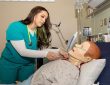
How a respiratory therapist program in Ontario can launch your healthcare career

A respiratory therapist program in Ontario can be the turning point that transforms your interest in healthcare into a meaningful, hands-on career.
I still remember speaking to a friend who felt stuck in a routine office job and wanted something more purposeful.
Within two years of starting her training, she was working in an intensive care unit, helping patients breathe during critical moments.
That shift wasn’t just about a new job.
It was about finding purpose in everyday work.
Before you commit, it helps to understand what this journey looks like in real life.
You can explore the structure, curriculum, and career pathways through this respiratory therapist program in Ontarioa.
That single step can give you clarity on whether this field aligns with your goals.
What does a respiratory therapist actually do?
Respiratory therapists are frontline healthcare professionals who specialize in cardiopulmonary care.
They work with patients who have trouble breathing due to conditions like asthma, pneumonia, COPD, or trauma.
But the job goes beyond machines and oxygen masks.
It’s about reading subtle signs, making quick decisions, and staying calm when every second counts.
I once spoke with a student who described their first hospital rotation as both intimidating and eye-opening.
They were assisting with a ventilated patient and suddenly realized that even a small adjustment could change the patient’s condition.
That moment made everything feel real.
It also made them understand the responsibility that comes with the role.
Why choose a respiratory care program in Ontario?
Ontario stands out for its strong healthcare education system and hands-on training approach.
Programs here are designed to prepare students for real clinical environments, not just exams.
You’re introduced to practical scenarios early, which helps reduce the fear of stepping into hospitals later.
One graduate shared how they initially struggled with equipment handling.
But after repeated practice during labs and placements, those same machines became second nature.
That kind of transformation only happens with consistent exposure and guided learning.
Core subjects you’ll study
Anatomy and physiology
This is where your foundation begins.
You’ll understand how the lungs, heart, and circulatory system work together.
It’s not just theory.
It’s the basis for every decision you’ll make in practice.
Mechanical ventilation
This is one of the most critical areas of training.
You’ll learn how to operate ventilators and adjust them based on patient needs.
At first, the settings and controls may feel overwhelming.
But with time, you begin to understand patterns and responses.
Patient assessment
You’ll develop the ability to evaluate breathing patterns and oxygen levels.
This skill is essential because early detection can prevent complications.
It’s about noticing what others might miss.
Pharmacology
You’ll study medications used in respiratory care.
This includes how drugs affect airway function and how to administer them safely.
Understanding this helps you provide more effective treatment.
Clinical placements: where learning becomes real
Clinical placements are where everything starts to make sense.
You step into real healthcare settings and apply what you’ve learned.
This is often the most challenging and rewarding part of the journey.
A student once described their first day in a hospital as nerve-wracking.
They were unsure, cautious, and constantly checking their steps.
But by the end of the placement, they were confidently assisting patients and collaborating with healthcare teams.
That growth is what makes the experience unforgettable.
Skills you develop along the way
Critical thinking under pressure
Healthcare environments can change in seconds.
You’ll learn how to assess situations quickly and respond effectively.
Communication
You’ll interact with patients, families, and medical staff daily.
Clear communication ensures better care and fewer misunderstandings.
Emotional resilience
This field can be emotionally demanding.
You’ll witness both recovery and loss.
But those experiences also build strength and empathy.
Career opportunities after graduation
Completing your training opens up a range of career paths.
Hospitals remain the most common workplace, especially in emergency and intensive care units.
However, opportunities also exist in rehabilitation centers, sleep clinics, and home healthcare services.
Some professionals choose to specialize further.
For example, one graduate I spoke with moved into neonatal care and now works with premature infants.
That level of specialization allows for continuous growth within the field.
Licensing and certification in Ontario
After completing your education, you’ll need to pass a certification exam to practice.
This ensures that all professionals meet a consistent standard of care.
Most students find that their training prepares them well for this step.
It’s less about memorizing facts and more about applying knowledge in real scenarios.
Is this the right path for you?
This career isn’t for everyone.
It requires focus, patience, and the ability to stay calm under pressure.
But if you enjoy problem-solving and want to make a real difference, it can be incredibly fulfilling.
Ask yourself how you handle stressful situations.
Do you stay composed or feel overwhelmed?
Are you comfortable working closely with people during vulnerable moments?
Your answers will help you decide if this path suits you.
Final thoughts: turning passion into purpose
Choosing a respiratory therapist program in Ontario is more than a career decision.
It’s a commitment to helping others in some of their most critical moments.
The journey will challenge you.
But there will also be breakthroughs that remind you why you started.
Moments when a patient breathes easier because of your care.
And those moments make everything worthwhile.