
Quick Answer
CPD Manual Handling is a short, accredited training course teaching employees how to lift, carry, and move loads safely to prevent musculoskeletal injuries. It typically covers correct lifting technique, risk assessment, and legal duties under the Safety, Health and Welfare at Work Act. Courses are often aligned with QQI standards and informed by RoSPA best practice, lasting 3-4 hours and valid for refresher every 2-3 years.
Key Facts Table
| Aspect | Detail |
|---|---|
| Course duration | 3-4 hours (half-day) |
| Certification | CPD certified, QQI-aligned options available |
| Recommended refresher | Every 2-3 years |
| Governing legislation (Ireland) | Safety, Health and Welfare at Work Act 2005 |
| Key topics | Spinal anatomy, risk assessment, correct lifting technique, equipment use |
| Delivery | In-person or blended/online theory + practical |
| Recognised by | HSA (Health and Safety Authority), RoSPA principles |
Introduction
Manual handling injuries remain one of the leading causes of workplace absence in Ireland, with back and musculoskeletal complaints accounting for a significant share of reported occupational illnesses. A CPD Manual Handling course addresses this directly – giving employees practical, evidence-based skills to lift and move objects without straining their bodies. Whether you’re in warehousing, healthcare, retail, or construction, understanding correct lifting technique isn’t optional; it’s a legal and practical necessity.
What Is CPD Manual Handling Training?
CPD (Continuing Professional Development) Manual Handling training is a recognised short course designed to refresh or build core competency in safe lifting, carrying, pushing, and pulling. It satisfies employer obligations under health and safety legislation while giving workers confidence in everyday tasks.
Core Topics Covered
- Anatomy of the spine and common injury mechanisms
- Risk assessment using the TILE/TILEO method (Task, Individual, Load, Environment, Other factors)
- Correct lifting technique (feet positioning, spine alignment, load proximity)
- Team lifting and use of mechanical aids
- Practical assessment of real lifting scenarios
Correct Lifting Technique: Step-by-Step
- Assess the load – check weight, size, and stability before lifting.
- Position your feet shoulder-width apart, close to the load.
- Bend your knees, not your back, keeping your spine in a neutral position.
- Get a firm grip and keep the load close to your body.
- Lift smoothly using leg muscles, avoiding twisting.
- Move your feet, don’t twist your torso, when changing direction.
- Set the load down with the same controlled technique.
QQI Manual Handling vs Standard CPD Course: Comparison Table
| Feature | QQI-Aligned Course | Standard CPD Course |
|---|---|---|
| Accreditation level | National framework recognition | Industry CPD certificate |
| Assessment | Formal assessment/portfolio | Practical demonstration |
| Suitability | Higher-risk sectors, healthcare, construction | General office/retail/warehouse roles |
| Duration | Often half-day to full-day | 3-4 hours |
| Cost | Slightly higher | Standard pricing |
| Renewal | 2-3 years | 2-3 years |
Why RoSPA-Informed Best Practice Matters
The Royal Society for the Prevention of Accidents (RoSPA) has long promoted ergonomic load-handling principles that underpin modern training curricula, particularly around reducing repetitive strain and load-weight thresholds. Courses informed by these principles tend to emphasise practical demonstration over theory-heavy delivery – something trainees consistently find more useful for real-world application.
Real-World Example
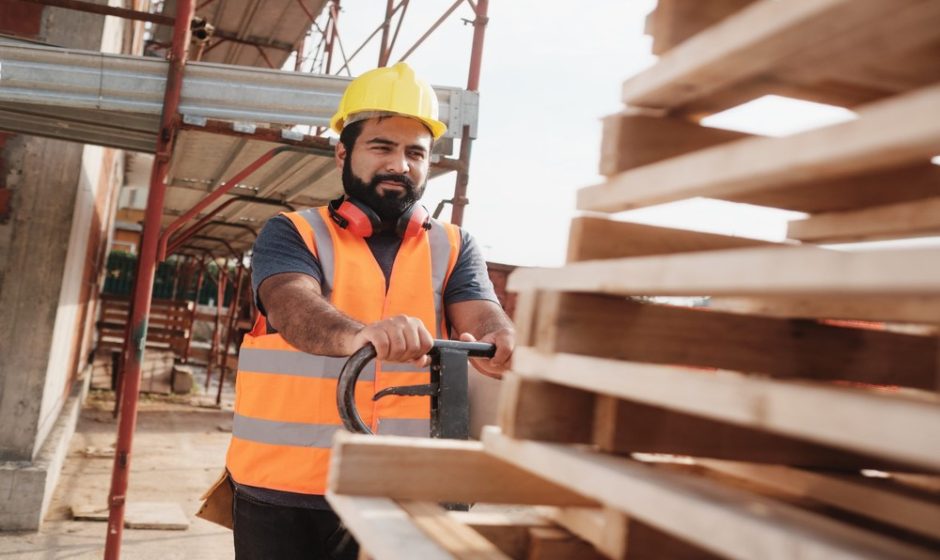
A warehouse team in Dublin reduced reported back strain incidents after introducing mandatory team-lifting protocols and trolley use for loads over 15kg – both standard recommendations covered in CPD manual handling sessions.
FAQ Section
1. What does CPD Manual Handling certification cover?
It covers safe lifting technique, risk assessment, and legal responsibilities for handling loads at work.
2. How long is a CPD Manual Handling certificate valid?
Typically 2-3 years, depending on employer policy and sector risk level.
3. Is manual handling training a legal requirement in Ireland?
Yes – employers must provide adequate training under the Safety, Health and Welfare at Work Act 2005.
4. What’s the difference between CPD and QQI manual handling courses?
QQI courses carry formal national accreditation and assessment; CPD courses are industry-recognised but less formally assessed.
5. What is the maximum recommended lifting weight?
General guidance suggests around 25kg for men and 16kg for women under ideal conditions, though this varies by posture and frequency.
6. Who should attend manual handling training?
Anyone whose role involves lifting, carrying, pushing, or pulling loads – warehouse staff, healthcare workers, retail employees, and more.
7. Can manual handling training be done online?
Theory components can be delivered online, but practical demonstration is recommended for full competency.
8. What is the TILE method?
A risk assessment framework: Task, Individual, Load, Environment – used to evaluate manual handling risks.
9. Does RoSPA provide manual handling certification?
RoSPA influences best-practice standards; specific certification is typically delivered through accredited training providers.
10. How often should refresher training happen?
Every 2-3 years, or sooner if incident rates or job roles change significantly.
Key Takeaways
- Correct lifting technique significantly reduces musculoskeletal injury risk
- CPD Manual Handling courses are legally relevant and practically essential
- QQI-aligned options suit higher-risk sectors
- Refresher training every 2-3 years keeps skills current
Conclusion
Investing in CPD Manual Handling training protects employees and supports legal compliance. Whether choosing a standard CPD course or a QQI-aligned option, the goal remains the same: safer lifting, fewer injuries, and a more productive workplace.
Contact: 19 Harcourt Street, Dublin, D02H364, Ireland | info@irish-manualhandling.ie